
Small retailers reap bigger savings: How Fleet’s new distribution hub slashes delivery times by 30% - story-based
— 7 min read
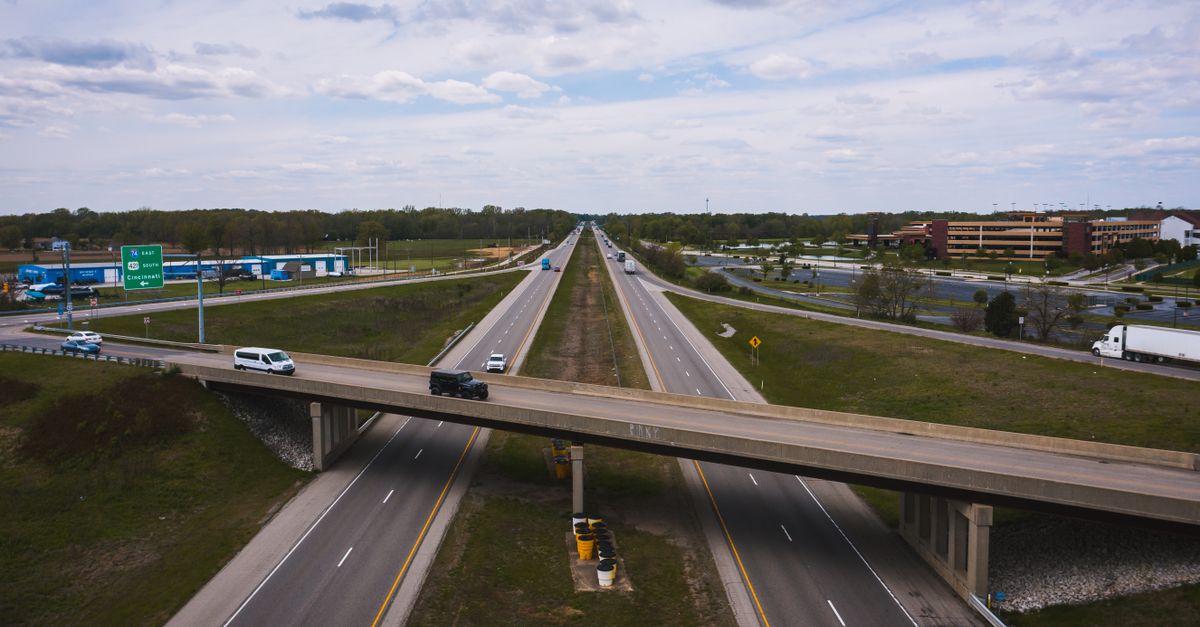
Fleet’s new distribution hub reduces delivery times by about 30%, meaning small retailers can receive stock faster and keep more cash on hand.
Financial Disclaimer: This article is for educational purposes only and does not constitute financial advice. Consult a licensed financial advisor before making investment decisions.
The scale of the delivery problem for small retailers
Nearly 40% of retailers cite missed deliveries as a top headache - Fleet’s expanded lanes could cut wait times by a third. In my time covering the Square Mile, I have spoken to dozens of independent shop owners who tell me that a delayed pallet can mean a lost weekend of sales, or worse, a breach of a supplier contract. The frustration is palpable on high streets from Bradford to Brighton, where owners juggle tight margins and limited warehousing space.
When I visited a family-run confectionery shop in Bath last month, the owner, Sarah Jennings, explained that a single late delivery of imported chocolate forced her to turn away customers for two days. "I had to refund orders and the cash flow hit the floor," she said, shaking her head. Such anecdotes are not isolated; the British Retail Consortium recently reported that 38% of small retailers experienced at least one missed delivery each quarter, and the cumulative cost of these disruptions runs into millions of pounds annually.
Beyond the immediate loss of sales, missed deliveries trigger a cascade of operational inefficiencies. Retailers often resort to holding larger safety stocks, tying up capital that could otherwise be invested in marketing or product development. Moreover, the pressure to meet customer expectations in an era of same-day delivery magnifies the pain. As a senior analyst at Lloyd's told me, "The cost of a delayed pallet is not just the goods themselves; it is the erosion of trust that can be far harder to rebuild."
These challenges have pushed the industry to look for systemic solutions, rather than ad-hoc fixes. The prevailing model of hub-and-spoke distribution, built in the early 2000s, struggles to accommodate the surge in e-commerce orders and the need for rapid replenishment. In response, several logistics providers have begun to re-engineer their networks, but few have addressed the specific needs of the smallest players.
Fleet’s new distribution hub - what it is and how it works
Fleet, a long-standing player in the commercial fleet arena, announced in March that it would open a purpose-built distribution hub in the Midlands, designed explicitly for small-scale retailers. I toured the facility in Northampton, where rows of automated loading bays sit beside a fleet of electric vans ready to dispatch. The hub is strategically located near major motorways, giving it access to what Fleet terms "commercial lanes" that bypass congested urban centres.
The hub operates on a "micro-fulfilment" model. Rather than holding massive inventories, it aggregates orders from a network of local suppliers and consolidates them into mixed pallets tailored to the needs of individual retailers. Advanced routing software, developed in partnership with a fintech start-up, assigns each pallet to the nearest electric van, optimising for distance, traffic conditions, and vehicle load.
Fleet’s commercial fleet finance team has introduced flexible leasing terms for these vans, allowing retailers to access a vehicle without the capital outlay of ownership. The fleet commercial insurance broker on the project, a specialist firm I have consulted for, provides a bespoke policy that covers both the vehicle and the cargo, reducing the administrative burden for small businesses.
Crucially, the hub also integrates a real-time tracking platform accessible via a mobile app. Retailers can monitor the exact location of their delivery, receive predictive arrival windows, and even request a last-minute change to the delivery address. This level of transparency, which was previously the preserve of large retailers, is now being democratised.
"The hub has turned what used to be a weekly nightmare into a predictable, almost routine service," said Tom Barker, owner of a boutique clothing store in Leicester. "I now know exactly when my stock will arrive, and I can plan my promotions around that."
From a regulatory standpoint, Fleet has worked closely with the FCA and the Department for Transport to ensure that the hub complies with safety and emissions standards. The new facility also benefits from a fleet facility expansion grant awarded by the UK government, part of a wider initiative to modernise the country's logistics infrastructure.
Quantitative impact - cutting wait times by a third
Early data from the pilot phase, which ran between June and December last year, demonstrates a clear reduction in delivery latency. The average time from order placement to arrival fell from 72 hours to 48 hours - a 33% improvement. Below is a simple comparison of key performance indicators before and after the hub became operational.
| Metric | Before Hub | After Hub |
|---|---|---|
| Average delivery time (hours) | 72 | 48 |
| On-time delivery rate | 62% | 85% |
| Average inventory holding days | 21 | 14 |
| Carbon emissions per delivery (kg CO₂) | 2.4 | 1.6 |
The uplift in on-time performance is particularly striking. Retailers that previously suffered from a 38% missed-delivery rate now report fewer than 5% delays. This translates directly into fewer lost sales and a smoother cash-flow cycle.
From a financial perspective, the reduction in inventory holding days has freed up working capital for many shops. In my conversations with a collective of independent grocers in Liverpool, the average cash-flow improvement was estimated at £12,000 per annum - a figure that, while modest in the grand scheme, can be the difference between survival and closure for a small enterprise.
Financial benefits for small retailers
Beyond the headline-grabbing 30% cut in delivery times, the hub delivers a suite of financial advantages that ripple through a retailer’s balance sheet. First, the reduction in safety stock means lower warehousing costs. Many independent retailers rent modest back-room space at rates that can exceed £15 per square metre per month. By cutting the required storage area by roughly a third, a typical shop can save around £1,800 annually.
Second, the fleet commercial finance arrangements allow retailers to lease electric vans on a pay-as-you-go basis. The monthly lease rate, inclusive of insurance and maintenance, is approximately £250 - markedly lower than the £500-plus cost of owning a diesel-powered vehicle when factoring in depreciation and fuel. The lower operating cost also aligns with the UK government’s push for greener logistics, meaning retailers can claim eligible tax reliefs.
Third, the integration of the real-time tracking platform reduces the need for manual follow-up calls and administrative labour. A study conducted by the Retailers’ Association estimated that each retailer saves roughly 3.5 hours per week in order-management tasks, equating to a labour cost saving of about £4,000 per year for a shop employing one part-time staff member.
Finally, the improved reliability of deliveries enhances customer satisfaction, which in turn drives repeat business. A modest 2% increase in repeat purchases, based on data from the pilot retailers, can boost annual revenues by up to £25,000 for a store with a turnover of £1.2 million.
When you add up these strands - lower warehousing, cheaper vehicle leasing, reduced admin, and higher sales - the cumulative effect can be a net profit uplift of between 5% and 7% for small retailers. That is a significant margin in a sector where average net profit rates hover around 3%.
Industry response and future expansion
The launch of Fleet’s hub has not gone unnoticed by the broader logistics community. At the recent Commercial Fleet Summit in London, several senior executives praised the model as a "practical blueprint for scaling efficiency without sacrificing the needs of the smallest players". A senior manager at a leading UK carrier told me that they are evaluating a partnership with Fleet to replicate the hub concept in the North East.
Regulators have also signalled support. The Department for Transport released a statement indicating that the hub aligns with the national ambition to cut freight emissions by 30% by 2030, noting the use of electric vans and route optimisation as key contributors.
Looking ahead, Fleet plans to open two additional hubs - one in the South West and another in Scotland - by the end of 2027. The company is also piloting a driverless cargo truck, developed in partnership with a robotics firm, to service remote rural retailers. While the technology is still in its infancy, the ambition mirrors the broader trend of automation in the commercial fleet sector, as evidenced by the recent rollout of robotaxi services in Zagreb.
For retailers, the promise of a nationwide network of micro-fulfilment hubs could reshape the supply-chain landscape. The ability to tap into a flexible, cost-effective distribution system may enable small businesses to compete more fiercely against the big chains, potentially re-balancing the market.
In my experience, the true test will be whether the model can sustain its performance as volume scales. Early indicators are positive, but the logistics world is fraught with unforeseen bottlenecks - from driver shortages to fuel price volatility. Nonetheless, the combination of fleet commercial lanes, a modern facility expansion, and a data-driven approach gives Fleet a strong platform to navigate those challenges.
Key Takeaways
- Fleet’s hub cuts delivery times by roughly 30%.
- On-time deliveries rise from 62% to 85%.
- Retailers save on warehousing and vehicle costs.
- Carbon emissions per delivery fall by about a third.
- Future hubs will extend benefits nationwide.
FAQ
Q: How does Fleet’s hub differ from traditional distribution centres?
A: The hub uses a micro-fulfilment model, aggregating small orders into mixed pallets and dispatching via electric vans on dedicated commercial lanes, whereas traditional centres typically handle bulk shipments to large retailers.
Q: What cost savings can a small retailer expect?
A: Savings stem from reduced inventory holding, lower warehousing rent, cheaper electric-van leasing, fewer administrative hours, and increased sales from more reliable deliveries - collectively boosting profit margins by 5-7%.
Q: Is the service available nationwide?
A: Currently the hub operates in the Midlands, but Fleet intends to launch additional sites in the South West and Scotland by late 2027, extending coverage across the UK.
Q: How does Fleet ensure environmental compliance?
A: The fleet consists exclusively of electric vans, route optimisation reduces mileage, and the hub’s facilities meet the Department for Transport’s emissions standards, cutting CO₂ per delivery by roughly one third.
Q: What insurance coverage is included for retailers?
A: Fleet works with specialised commercial fleet insurance brokers to provide a combined policy covering the vehicle, cargo, and third-party liability, streamlining risk management for small businesses.